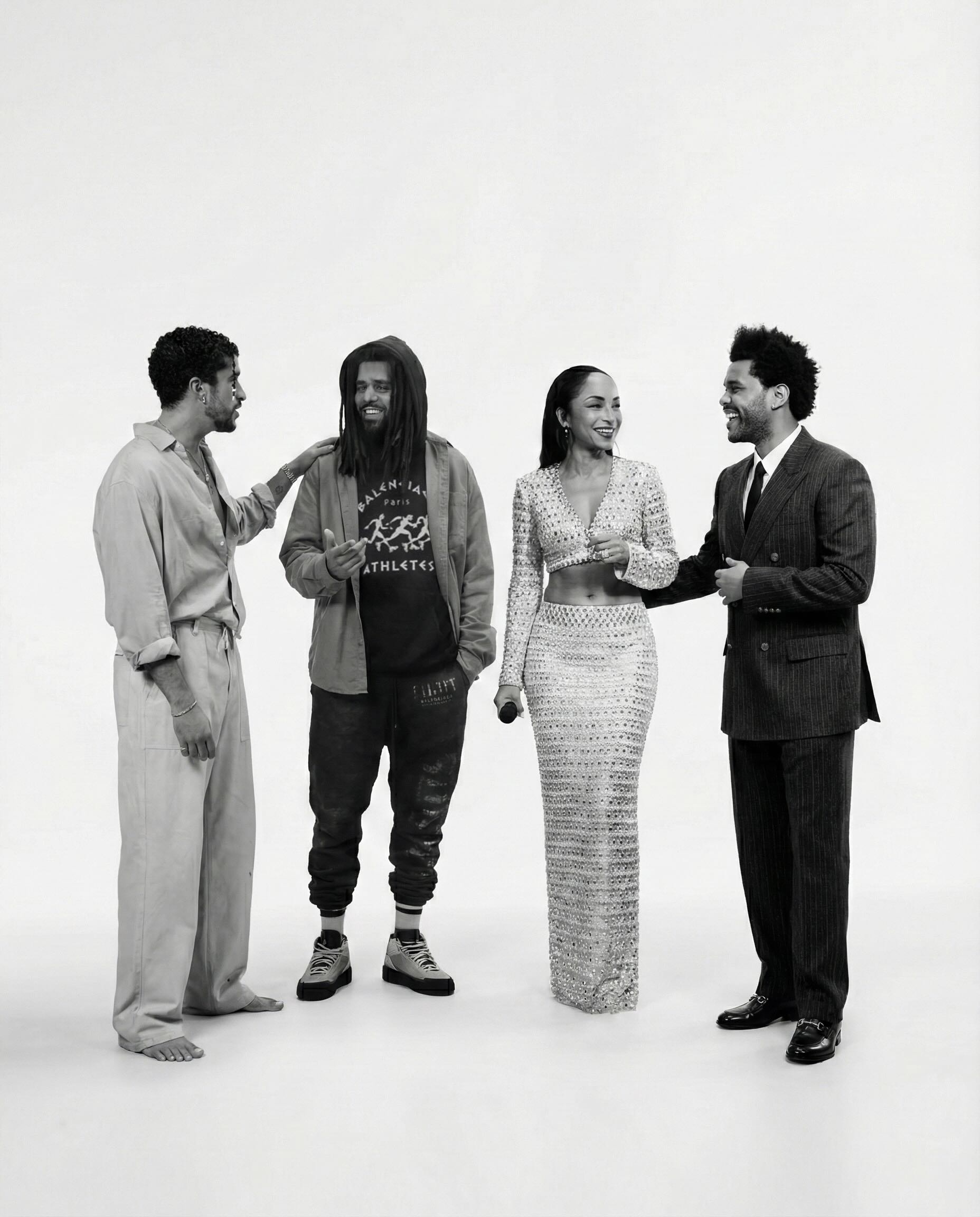
People who truly stand out rarely do so because they tried to.
Think about your favorite musician. The ones that stay with you, the ones whose records you buy on vinyl, whose lyrics you tattoo on your arm, are not the ones who blended in perfectly. Something about them lingers. Sometimes it is a strength, sometimes a flaw, but it is always something that is uniquely theirs.
In the current landscape of the music industry, there is immense pressure to differentiate immediately. Artists are told to find their "brand" before they’ve even found their sound. But standing out is not necessarily a strategy, though it can be leveraged as one.
It is more often a side effect of self-awareness.
It comes from knowing yourself and focusing on the truth in your music, rather than trying to manufacture difference just for the sake of being different. If you try to be "weird" for the sake of marketing, the audience will likely smell a gimmick. If you are simply yourself, and that happens to be different, the audience feels the truth.
The Metabolism of Influence
Authenticity requires the willingness to see the world differently. It takes the courage to take risks others will not, to speak on subjects others avoid, and to blend influences into your own voice over time.
But where does that voice come from?
Every artist is shaped by their environment: the music they were surrounded by, the rhythms their ear is accustomed to, and the experiences that informed their taste. The records you replayed at pivotal moments in your life do not just vanish; they metabolize into the foundation of your own artistry. This becomes your point of view.
Your Unique Intersection
You are not the only person who loves a particular artist, genre, or era. You might love 90s Boom Bap, and so do a million other people. You might love 70s Soul, and so do a million other people.
But you might be the only person who loves 90s Boom Bap, 70s Folk, grew up in your specific neighborhood, and experienced a specific heartbreak at age 19 with that one specific girl.
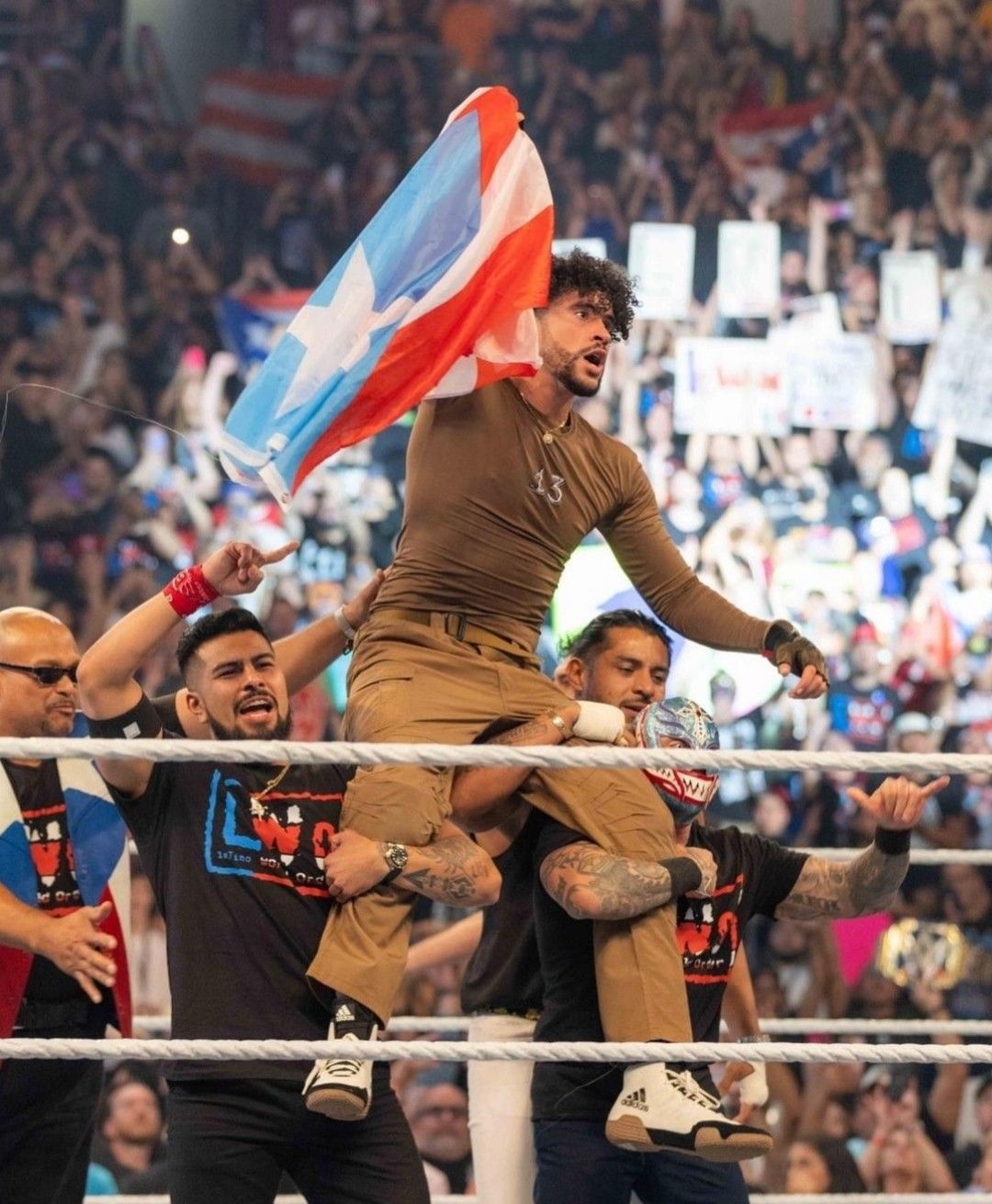
Take Bad Bunny as a prime example. He didn't just replicate the reggaeton giants who came before him, nor did he try to water down his sound for a global or American audience. While the foundation of his artistry is undeniably Puerto Rican, rooted in the rhythms of the island, he allowed his other obsessions to metabolize into the work.
He integrated the angst of rock, the rhythmic backdrops of salsa, and even the theatricality of professional wrestling into his persona. He didn't shy away from his specific reality to fit a commercial mold; he forced the commercial mold to expand to fit him. The result is a sound and brand that feels global, yet remains specifically, and unyieldingly, his.
Doubling down on those influences and understanding why they resonate with you is a crucial part of the creative process. Your combination of influences, and the context in which you absorbed them, is unique to you. That intersection is where your "new" sound lives.
It isn't about inventing a new color; it's about painting with the specific palette life provided you.
The Power of Shared Language
Often, you can hear an artist’s influences, especially early in their career, through their lyrics, visuals, or aesthetic. You might hear a vocal inflection that reminds you of one legend, or a drum break that reminds you of another.
Borrowed techniques are inevitable to some degree. In fact, they are necessary.
When listeners recognize those references, especially if they are fans of the original source, it creates a sense of connection. It creates a shared language and a bonding point. That relatability can deepen the relationship between artist and audience.
This is not copying; this is carrying the torch. It signals to your audience: "I come from this tribe. I understand this feeling." When you honor the lineage of the music you love, you earn the respect of the people who love it too.
The Work: Where Clarity Compounds
So, how do you move from having influences to having a voice?
The most efficient way to find and apply your point of view is to record and write as much music as possible. Make as many records as you can. There is no way around it. You cannot "think" your way into a unique sound; you have to play your way there.
The mic does not lie; it captures it all.
It captures your hesitation, your confidence, your fatigue, and your excitement. If you record 100 songs, patterns will emerge. You will notice that you tend to favor certain melodic structures, or that your voice sits best in a specific pocket. That is your data.
With these frameworks in mind, you can begin to navigate your growth and provide direction on how to naturally grow as an intentional artist. You learn by doing. The process takes time, but it seems to be expedited for the folks who are obsessed with the craft.
However, once the recording stops, the mindset must shift.
Intent Is Everything
We cannot ignore reality: Do you want to make a living from your music?
If the answer is yes, then let’s not neglect the business side. There is a "Church and State" separation in an artist’s career. When you are in the booth, you are a channel for creativity. When you step out of the booth, you must become an executive.
Once the music is made, you must learn how to present it. This is where marketing, storytelling, and world-building come into play. You need to ask yourself the following questions:
- How does this release fit into my larger narrative as an artist?
- How does it connect to what came before?
- Is this a new direction, and if so, why?
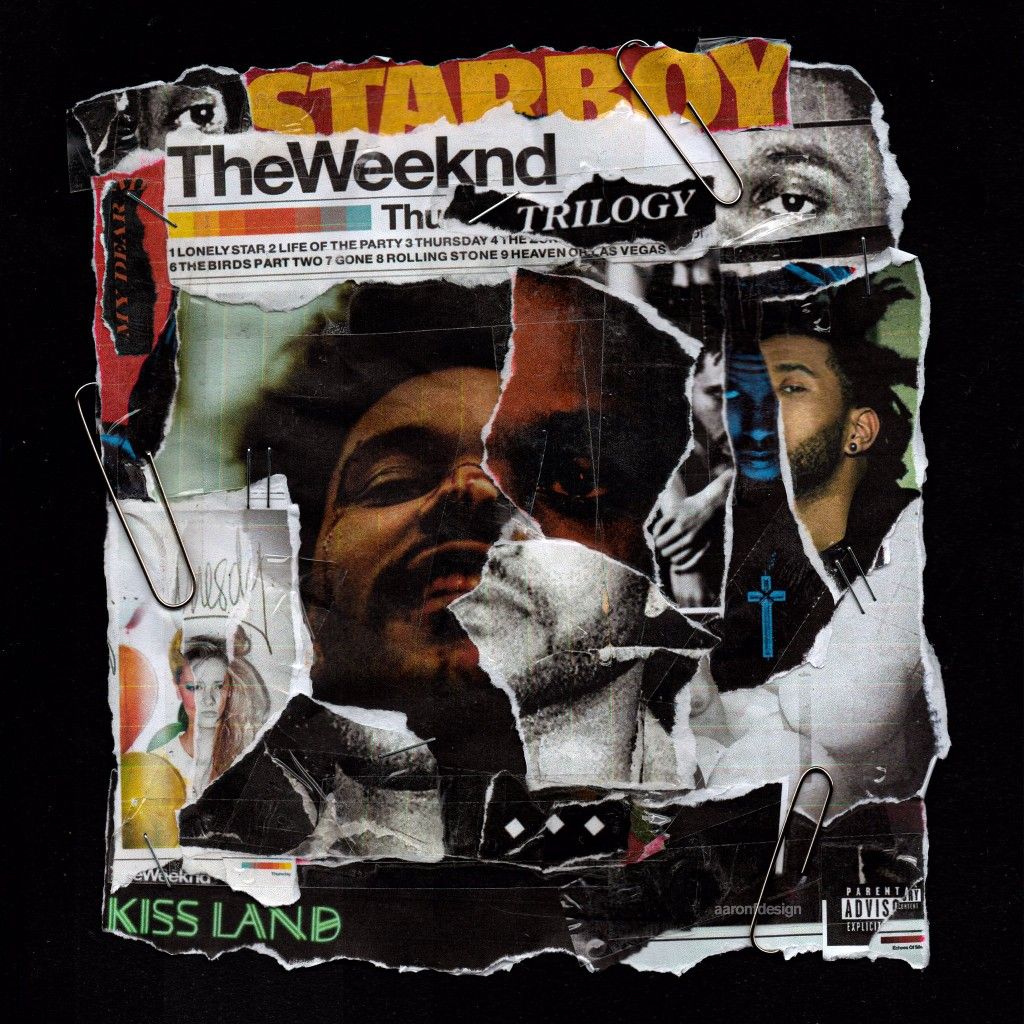
Look at The Weeknd. He rarely just uploads a collection of songs; he constructs eras. From the distinct, freeform locs that defined the silhouette of Beauty Behind the Madness, to the bruised face and red suit of After Hours, every album cycle is a committed performance piece. The music remains the core product, but the distinct visual world he builds around it creates a cinematic context that makes the art feel bigger.
He answers the question of "how does this fit my narrative?" by literally playing a character that evolves from project to project. He is world-building. This level of intent turns a casual listener into an invested spectator.
This sort of strategic thinking does not replace the creative process; it protects it. It helps you understand that making a living from your music is no different than opening a business. Your product happens to be your art.
Bringing awareness to the music is your responsibility, or the responsibility of your team, if you have one. If you believe your music can heal, help, or entertain people, then you have an obligation to get it in front of them.
Be creative when you need to be. Think like a business once the music is completed.
Responsibility and Impact
As you develop your voice and your audience grows, a new dynamic enters the equation: Influence.
Some artists are beloved for a particular characteristic, the way they carry themselves, or even the way they speak. Sometimes it is the way they live their life. Often, these artists display traits others admire or aspire to. Other times, they display traits that come with negative consequences.
As an artist, this matters.
Words carry power. Actions carry power. Art carries power. Whether intentional or not, the messages you put out influence people. Especially if your work reaches a large audience!
This does not mean you should censor yourself or dilute your truth. Authenticity is still the goal. But it does mean being aware of what you are amplifying and why.
- Are you glorifying a lifestyle you don't actually live?
- Are you speaking on things you don't understand?
- Are you adding value to your listener's life, or taking from it?
Understanding the weight of your voice is part of understanding yourself. Real artists understand that they can be perceived as leaders, whether they asked for the role or not.
The Long Game of Standing Out
We live in an era of viral moments, but a viral moment is not a career.
In the long run, the artists who truly stand out seem to be the ones who stay true to themselves and are obsessed with refining their craft. They do not force originality. They let it emerge naturally by focusing on the work and understanding themselves as an individual.
If you look at the artists who have sustained a career for 10, 20, or 30 years, they share a common trait: Consistency.
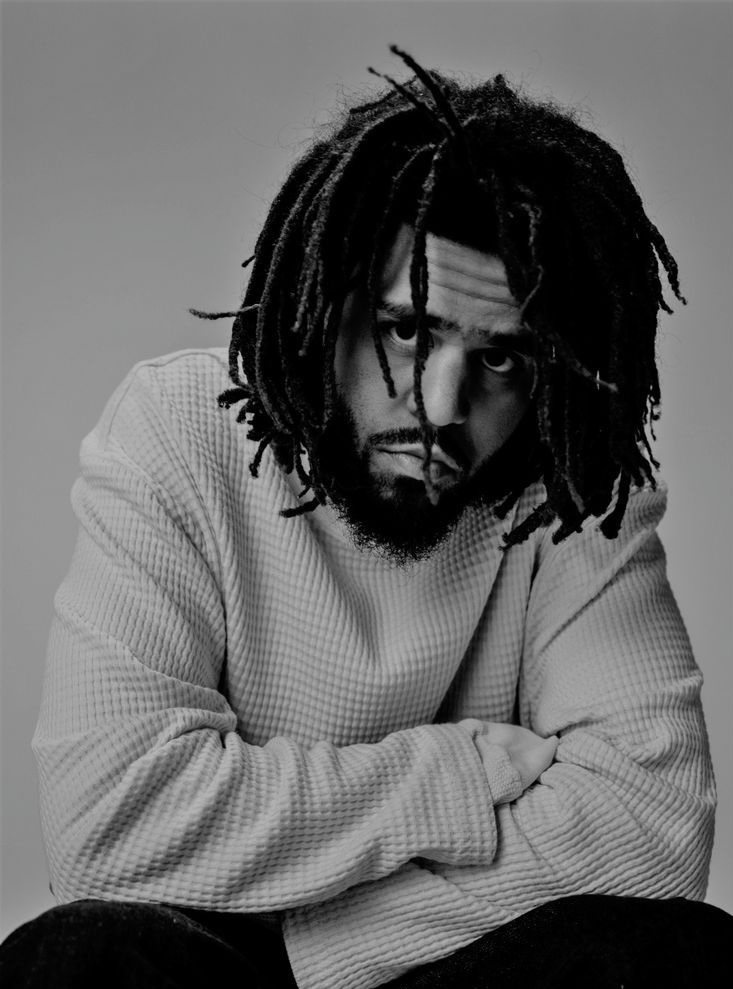
Consider J. Cole. In an era of viral gimmicks, he built a massive career by doing the opposite: ignoring trends and focusing strictly on storytelling. He didn't chase a sound to fit in; he stayed true to his roots, and that consistency established trust.
On the other end of the spectrum is Sade, who turned scarcity into a superpower. She operates with complete disregard for the industry's demand for constant content, returning only when she has something true to say. Both artists prove that you don't need to chase the algorithm to build a legacy; you just need to be undeniable.

Over time, patterns form. A voice becomes recognizable. A perspective becomes more and more clear, evolving in the process. That is how a legacy takes shape.
Standing out happens quietly, almost accidentally, when clarity compounds.
Final Thoughts
Standing out is not about striving to be different for its own sake. It is about being honest and self-aware.
Know your influences.
Understand your perspective.
Be intentional about what you express and why.
Making the best music you can should always be the top priority. But trust that your uniqueness will come from your truth, not from trying to separate yourself artificially. Let honesty lead. Always start inward.
The difference begins to follow naturally once your voice has had enough time to develop. The market may be crowded, but there is always room for the undeniable.



.svg)